Member Profile: Amanda Nakoneczny

Member Profile: Amanda Nakoneczny
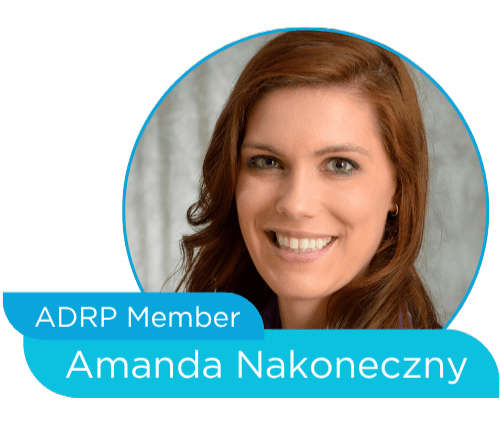 Amanda Nakoneczny, CFRE
Director of Stewardship
University of Michigan - College of Literature, Science, and the Arts
1. What kind of organization are you doing donor relations in right now?
I work in higher education.
2. What’s a donor relations topic you’re always happy to talk about?
Strategy, data, change management, capacity planning, and inclusive practices are my happy place. I’m fairly certain talking with others about these topics is one of my love languages. I’m also a Lean and Six Sigma enthusiast and love conversations about process improvement, problem solving, and building better ways of working together. One of the things I enjoy most is building and growing donor relations programs. I love stepping into areas where stewardship is still evolving, assessing needs, and developing roadmaps that help programs scale and thrive.
3. What donor relations practice did you stop doing and why?
Like many others, we've sunsetted honor rolls and societies and moved away from most mementos unless they're deeply personal and unique. We've also shifted away from generalized stewardship roles in favor of dedicated ownership of key programs and work areas.
Perhaps the least popular change has been scaling back acknowledgments. Our donors have told us they feel thanked more than enough, but they want to hear more about the impact of their giving. So we've intentionally shifted capacity from gratitude to reporting. Less "thank you again" and more "here's what your generosity made possible."
4. What’s one donor relations decision that didn’t work, and what did it teach you?
One lesson we've learned is that efficiency and effectiveness aren't always the same thing, and that structure and flexibility need to coexist. We launched a semiannual custom stewardship request process with six-month lead times, which worked well on paper but proved too rigid in practice. Gift officers needed more agility, especially for smaller opportunities. It reinforced that the best processes are the ones that balance capacity with responsiveness.